FRED
On-demand 3D printing: how can it reduce environmental impact?
Making only what is ordered and bringing production closer to customers are two ways to reduce waste and some transport. This is the direction FRED has chosen. However, 3D printing is not automatically less polluting: the outcome depends on the product and its entire manufacturing process.
In this article
Produce to order to limit unsold goods
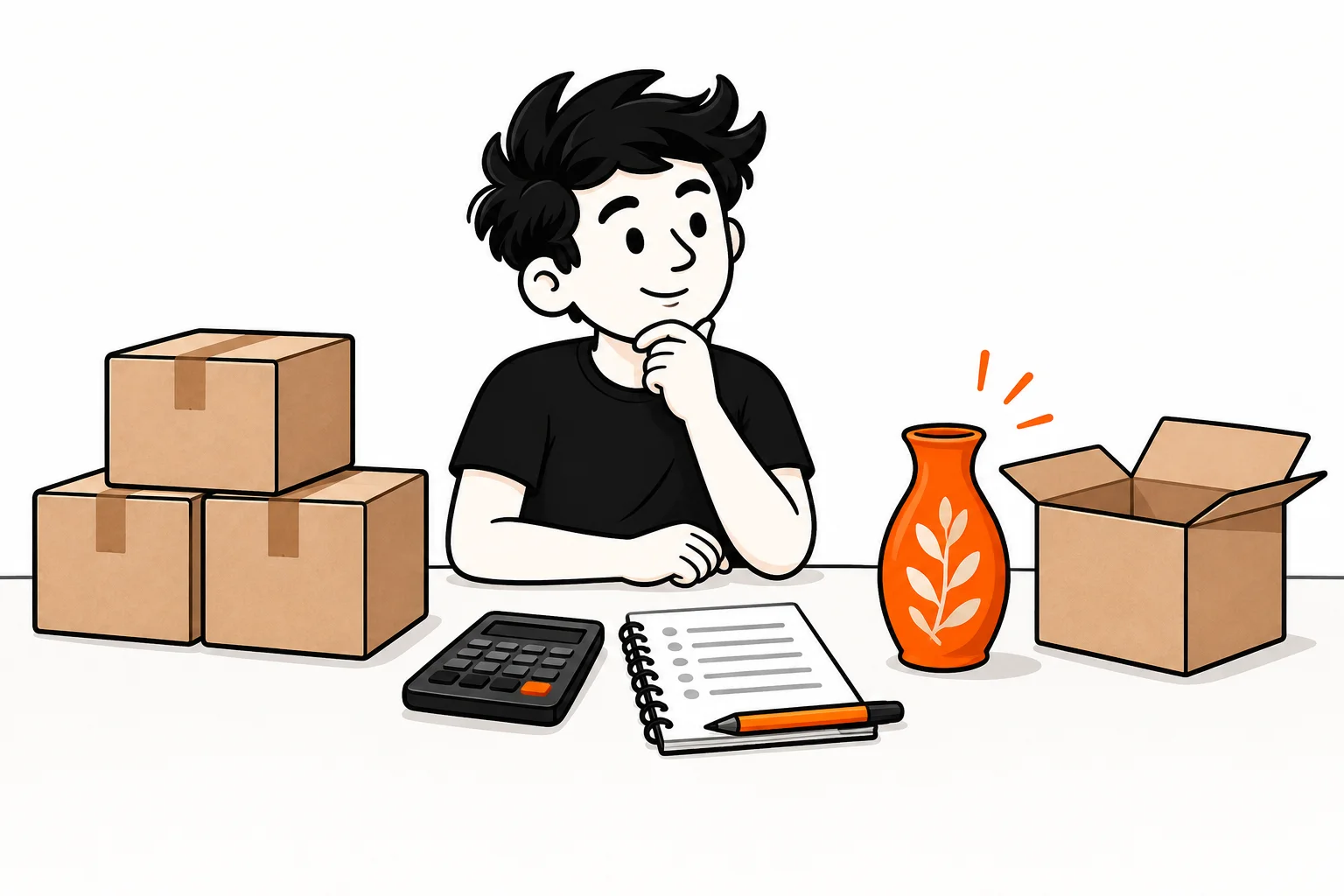
A digital catalogue lets you offer a model before manufacturing a batch. Once a product finds a buyer, manufacturing can start after approval. This limits the need for finished inventory and the risk of making objects that will never be used.
Materials still need purchasing, samples still need making and some prints may need repeating. Selling without finished-goods inventory does not mean manufacturing without waste.
Bring the workshop closer to the customer
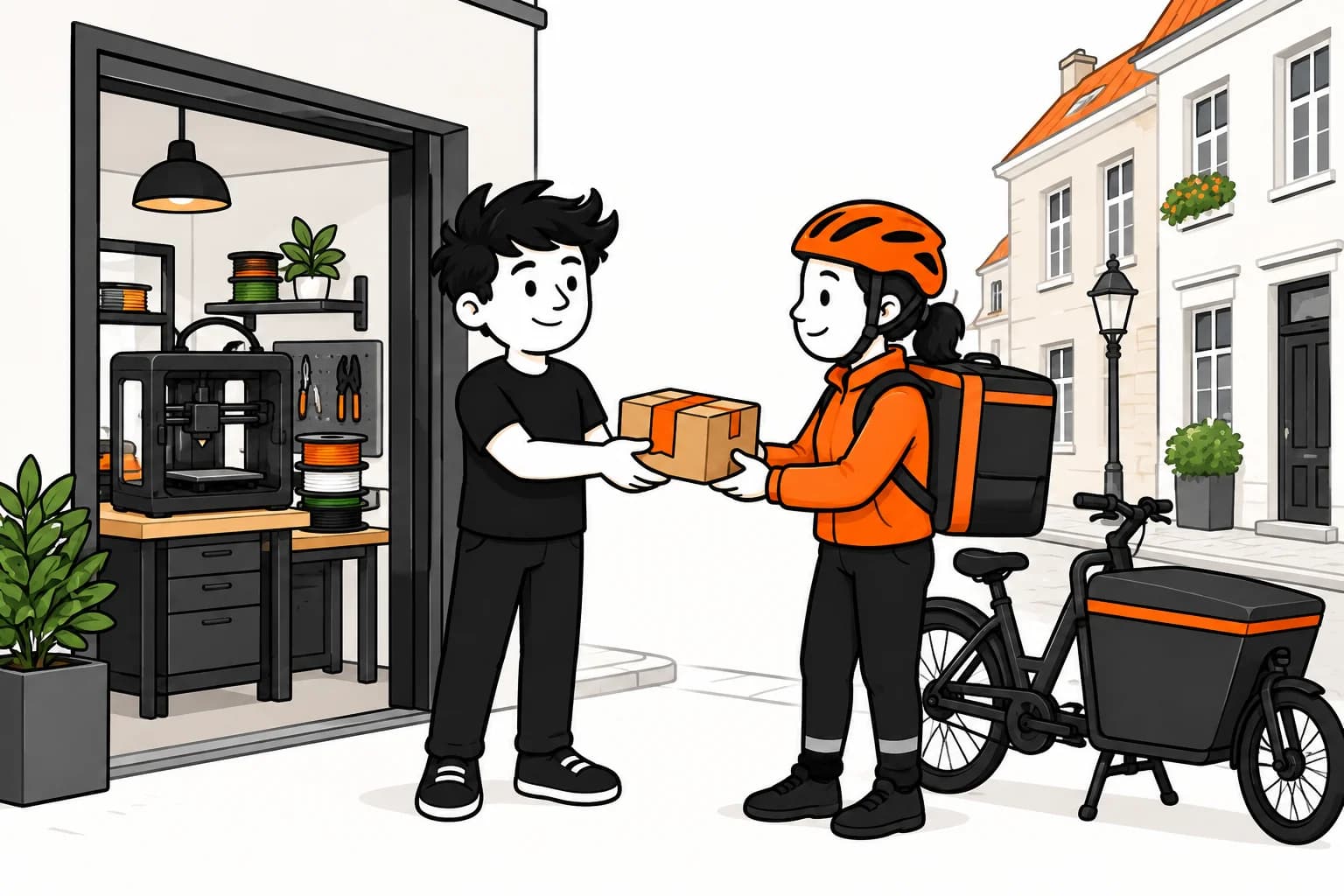
FRED’s farm network aims to shorten the distance between manufacturing and delivery when compatible capacity is available nearby. A shorter final journey may limit transport, but filament sourcing, inbound logistics and shipping method matter too.
Splitting an order across parcels or reprinting a part can change the outcome. Proximity is a principle for designing the network, not a carbon footprint measurement on its own.
Reduce material, supports and reprints
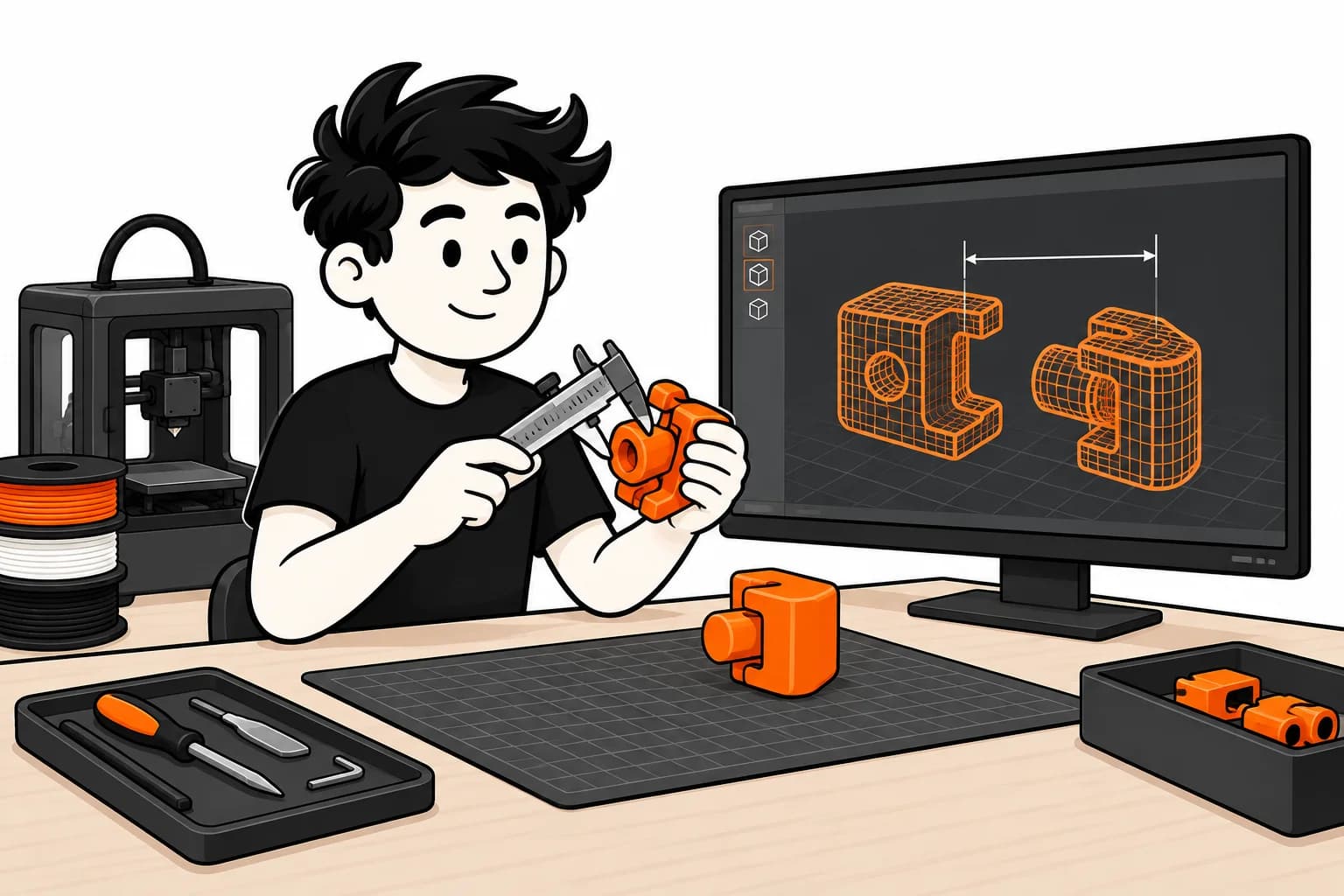
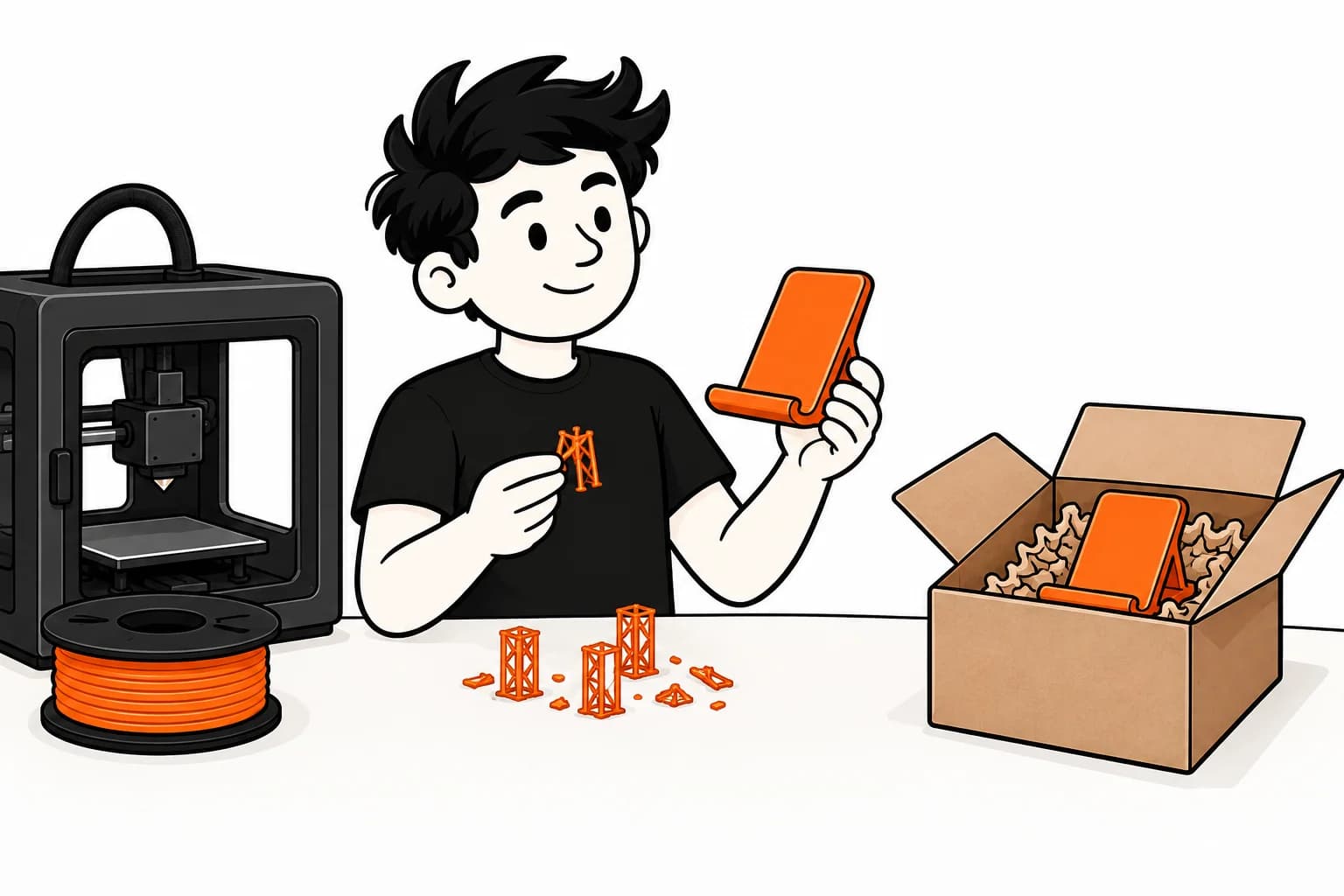
For the same intended use, consider part weight, supports, colour purges and service life. A well-prepared model and an approved sample can avoid unnecessary trials. These choices must preserve the required strength and function.
Energy consumption and its source, failure rates, packaging and end of life also belong in the comparison. A material name alone does not establish that a product is environmentally friendly.
How can two solutions be compared fairly?
Compare the same object delivering the same function over a comparable service life. Record material use, electricity consumption, scrap, packaging, journeys and unsold goods. We do not have a measured footprint to report for FRED. Our first task is to address these sources of impact; any savings will need measuring.
Ready to sell without inventory?
The beta is opening gradually. Sign up and we'll let you know when it's your turn.
Request access