FRED
Alternatives to dropshipping: sell original products
Selling without inventory can include an original product offering. If many stores sell the same items, examine how your products are designed as well as who supplies them. Traditional print on demand, small production batches and DropPrinting serve different needs. Choose an approach around the product you want customers to buy.
In this article
Identify what needs to change
Dropshipping is a fulfilment arrangement: a seller markets the product and a partner ships it. It does not determine whether the item is original or customisable. Identify the actual problem in your current store: interchangeable products, inconsistent quality, lead times or a weak brand experience.
Customer questions can reveal opportunities. Requests for different dimensions or a specific use are worth examining, but they still need evidence of buyer interest before becoming a product investment.
Compare three production approaches
Traditional print on demand suits products whose value mainly comes from artwork applied to a base item. Small-batch manufacturing supports a dedicated product but generally requires planning a production quantity.
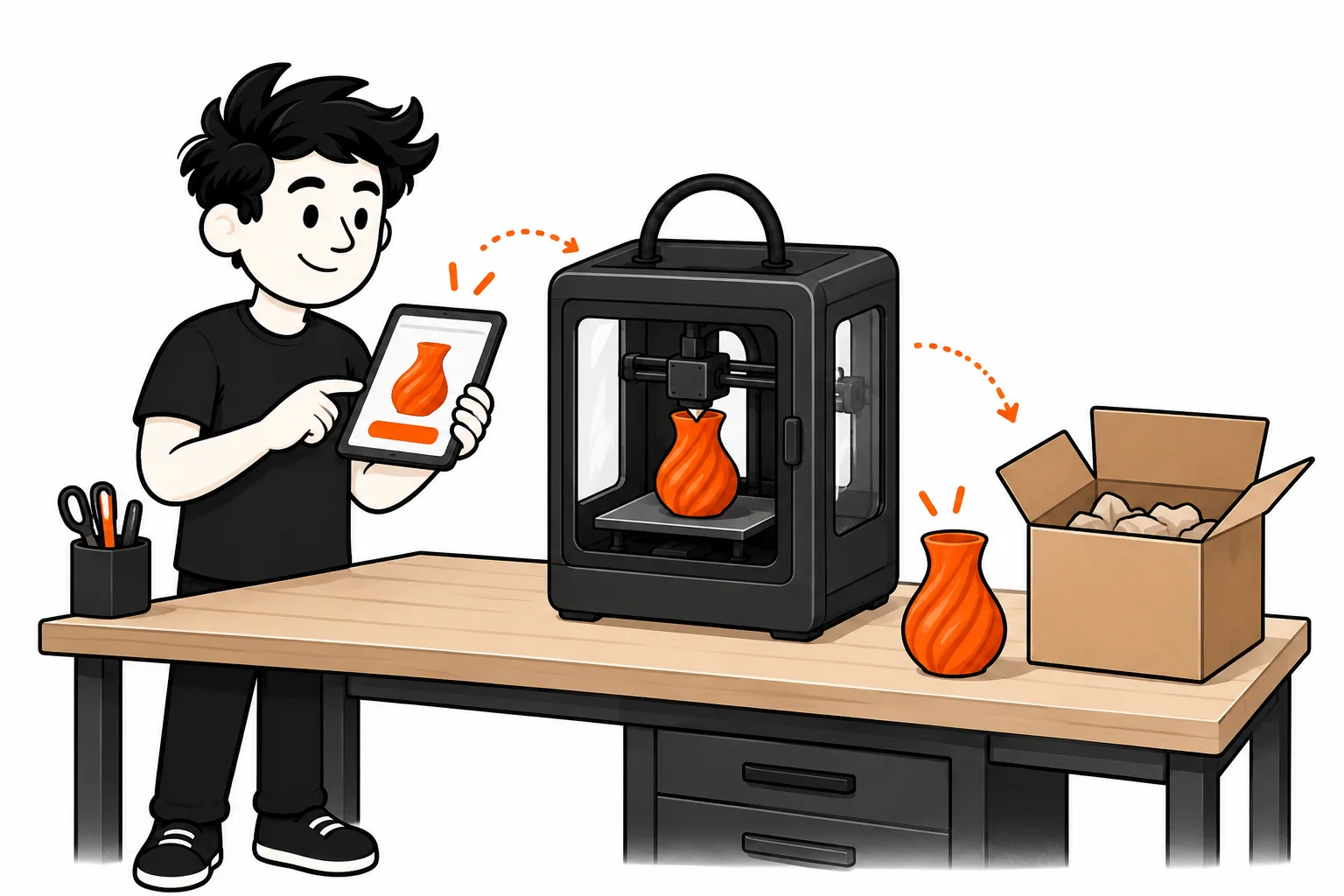
DropPrinting manufactures a physical shape from a prepared 3D file after an order is approved. It can suit products whose function or identity comes from their shape, selected dimensions or custom raised details.
A practical product transition
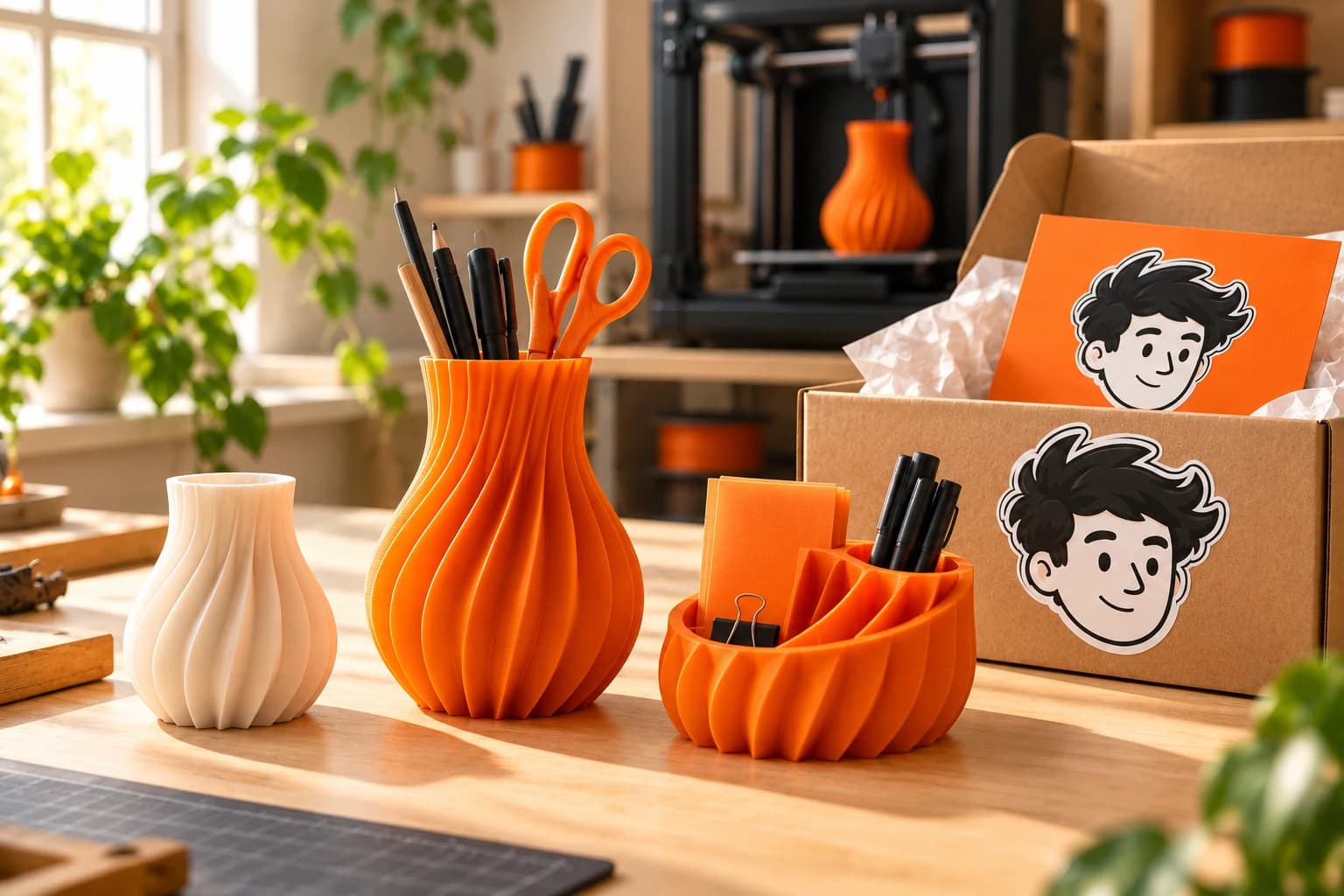
Consider a workspace store exploring a compact organiser for customers with limited desk space. Define the items it must hold, its dimensions, stability and appearance before choosing colours or decorative details.
A physical sample helps evaluate those requirements. This is an illustrative development process, not a sales case study. Start with one model and a small number of meaningful options.
Compare total costs and preparation
Include design, samples, manufacturing, packaging, shipping, selling fees and after-sales support. Avoiding advance purchases of finished products does not remove development costs.
Also compare your time commitments. Selecting an existing catalogue item and developing an original design require different decisions. Originality is useful when buyers can understand its value.
Where FRED fits
FRED coordinates preparation, compatible manufacturing capacity and shipping through partner workshops. You prepare the product and variants; required approvals and payment precede manufacturing.
The Shopify connector is activated during the private beta, and a custom site can use the API. Inserts and packaging depend on available options. Validate the complete workflow with one product first.
Choose a first experiment
A standard product valued for immediate availability may still suit catalogue fulfilment. Predictable demand may also justify comparing batch production against on-demand manufacturing.
Choose a test where an original feature solves a clear customer need. Request a quote and a sample, then decide whether this approach belongs in your store.
Ready to sell without inventory?
The beta is opening gradually. Sign up and we'll let you know when it's your turn.
Request access